Guiding Pupils in Navigating Cross-Border Disputes Over Water Resources
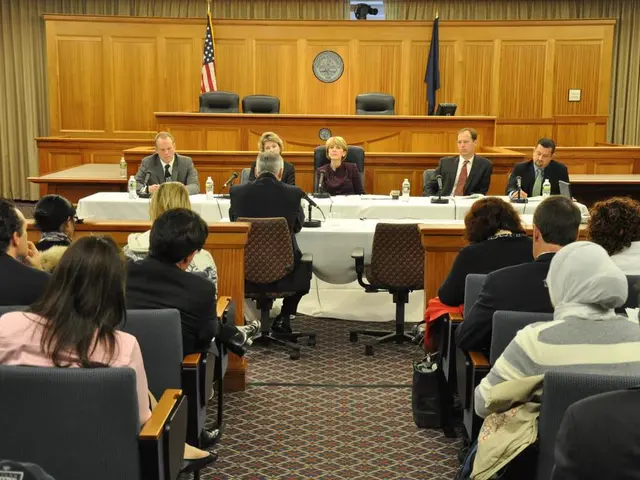
In the realm of water resource management, decisions that impact the future of shared rivers and dams can be complex and contentious. To help tackle these challenges, the Teaching Negotiation Resource Center (TNRC) offers a variety of negotiation simulations that aim to prepare participants for real-world scenarios.
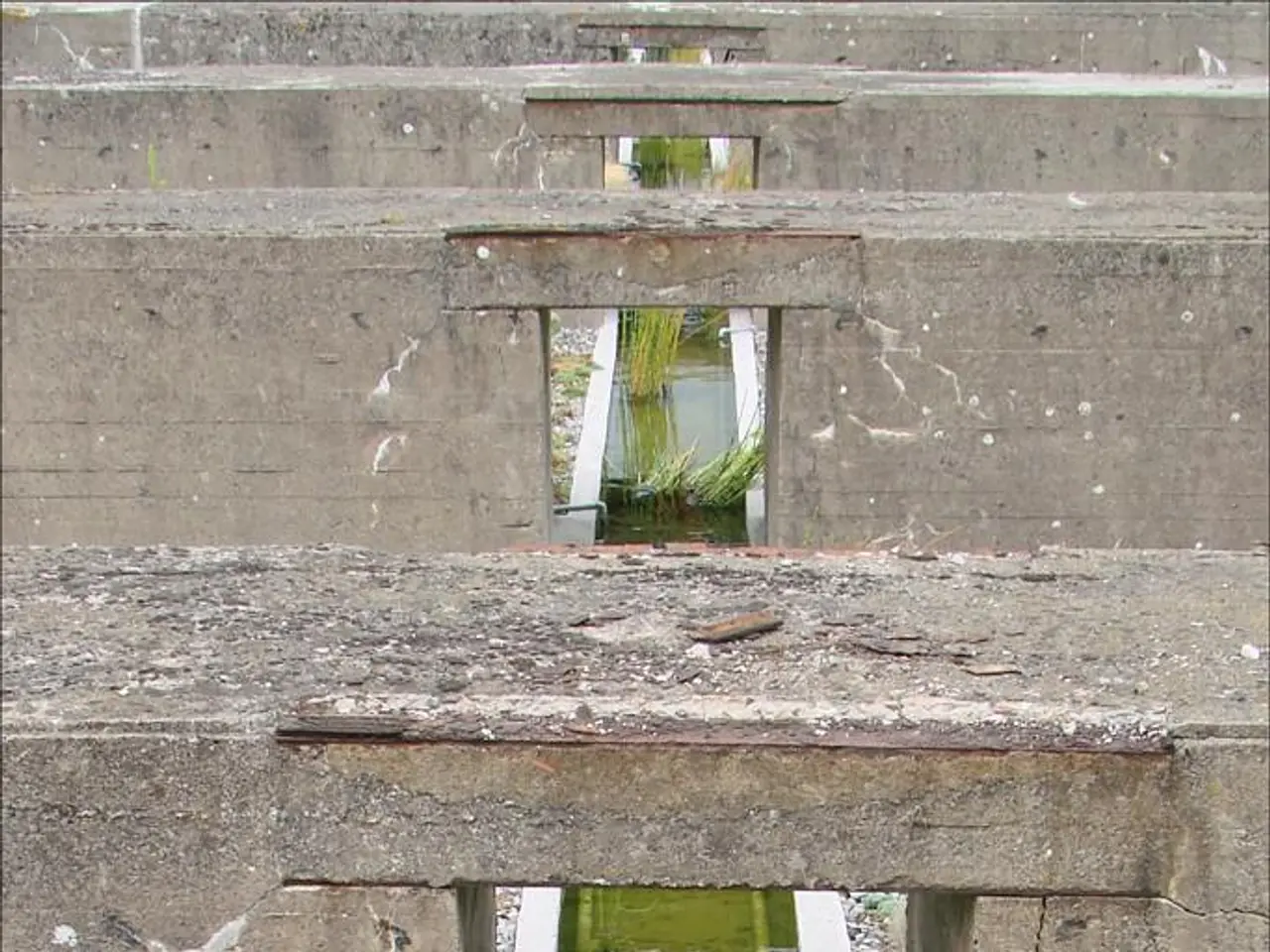
One such simulation is the "Pearl River" negotiation, a seven-party, facilitated, multi-issue negotiation about the management of dams in the Pearl River basin. This negotiation involves stakeholders discussing opportunities to share information, brainstorm alternatives, and agree on performance criteria for deciding between alternatives. The Pearl River, home to three hydropower dams and two non-hydropower dams on Mill Creek, serves as the focus of this negotiation.
The lessons learned from this simulation, and others like it, are invaluable. They emphasize the understanding of complex dynamics in multi-party, multi-issue negotiations involving diverse stakeholders with conflicting interests. Participants learn to navigate these conflicts, aiming for solutions that integrate technical, political, and ethical perspectives.
Another example is the "Indopotamia" simulation, a nine-party negotiation involving a dispute over the allocation of land and water resources shared by three countries in an international river basin.
The water crisis in the fictional countries of Pablo and Burford, caused by extreme water quality and quantity problems due to unsustainable agricultural activities in their borderlands, is addressed in the simulation "Managing Groundwater Beneath the Pablo-Burford Border." This two-team, ten-person negotiation focuses on transboundary management of a water shortage crisis.
The TNRC's materials, which include over 250 negotiation exercises and role-play simulations, critical case studies, enlightening periodicals, more than 30 videos, and 100-plus books, are designed for educational purposes. They are used in college classroom settings, corporate training settings, by mediators and facilitators, and by individuals seeking to enhance their negotiation skills and knowledge.
In addition to these simulations, the TNRC offers guidance on critical aspects of negotiation, such as the importance of agenda control, option generation, voting procedures, and reaching agreement on terms and scientific facts before negotiating.
The upcoming summit for negotiating a sustainable agricultural and water protection plan, co-chaired by representatives of the Burford Environmental Department and the Pablo Agriculture Department, is a testament to the value of these simulations. The summit's agenda includes nine decision items, and participants are expected to reach agreement by at least a two-thirds vote on all nine items.
As the Town of Allen grapples with a Notice of Public Safety from the State Water Resources Division regarding Dam A on Mill Creek, these simulations offer a valuable resource for navigating complex decisions about the future of dams in shared river basins. For those interested in delving deeper into the subject, the book "Water Diplomacy: A Negotiated Approach to Managing Complex Water Networks" by Shafiqul Islam and Lawrence Susskind provides insightful background on water management.
In conclusion, the TNRC's negotiation simulations provide a unique opportunity for participants to learn, practice, and apply skills necessary for managing shared water resources sustainably and peacefully.
- The Teaching Negotiation Resource Center (TNRC) offers a "Pearl River" negotiation simulation, a complex multi-party discussion about dam management in the Pearl River basin, aiming to prepare participants for real-world scenarios.
- The TNRC's simulations, such as the "Indopotamia" and "Managing Groundwater Beneath the Pablo-Burford Border," focus on resolving disputes over shared resources, like water and land, in international river basins.
- These simulations emphasize the importance of integrating technical, political, and ethical perspectives during negotiations, with a focus on diplomacy and leadership.
- The TNRC's educational resources, including books, videos, and role-play simulations, are designed to provide training in dispute resolution for various settings, such as colleges, corporations, and individuals.
- The TNRC provides guidance on essential negotiation aspects, like agenda control, option generation, voting procedures, and fact-based decisions, to aid in reaching agreements.
- The upcoming summit for negotiating a sustainable agricultural and water protection plan, co-chaired by Burford and Pablo representatives, demonstrates the value of the TNRC's negotiation simulations in addressing complex water management issues like climate-change and environmental-science.
- For those seeking a deeper understanding of water management and diplomacy, the book "Water Diplomacy: A Negotiated Approach to Managing Complex Water Networks" by Shafiqul Islam and Lawrence Susskind offers valuable insights.